Shifting Winds: How Licensing Shifts Reshape Bonus Structures for Virtual Blackjack Players in Emerging Markets
Rafael Long · Sep 28, 2026

Shifting Winds: How Licensing Shifts Reshape Bonus Structures for Virtual Blackjack Players in Emerging Markets
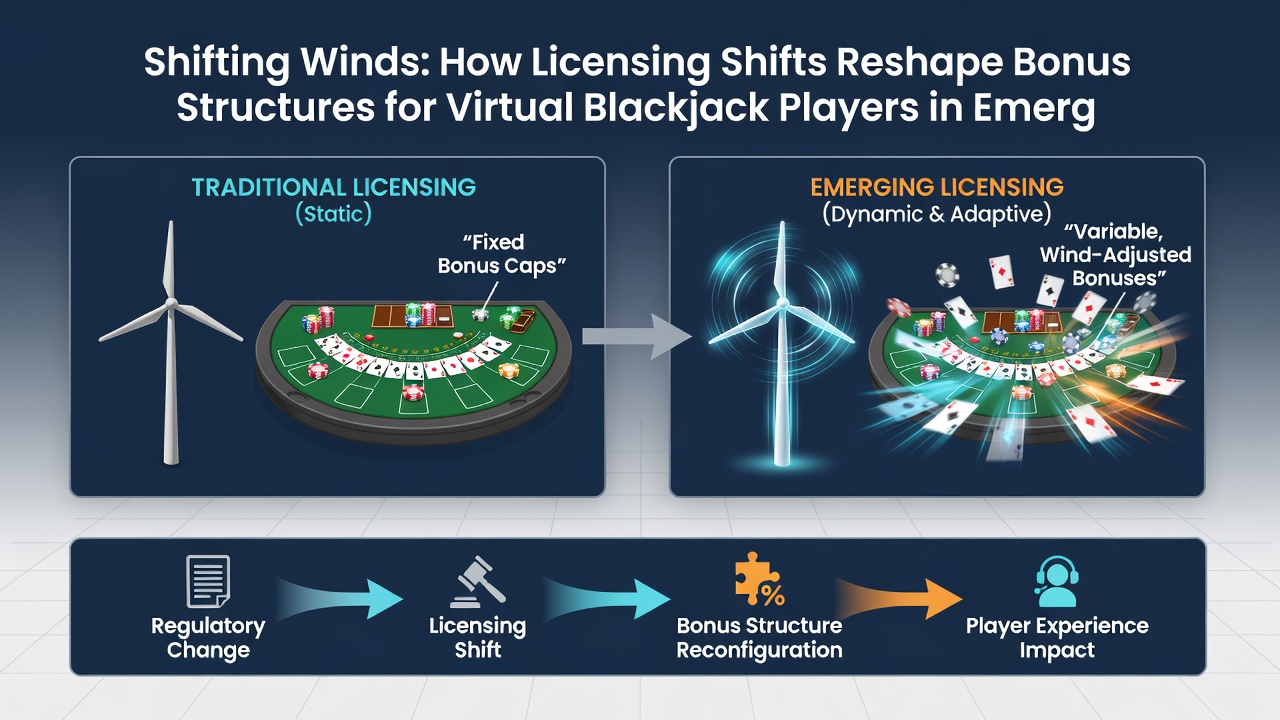
Licensing changes across emerging markets have begun to alter how operators structure bonuses for virtual blackjack participants, with new regulatory frameworks imposing caps on promotional offers and tying them directly to compliance metrics such as player verification rates and tax contributions. In regions where online gaming legalization accelerated after 2024, authorities introduced tiered licensing systems that require operators to allocate a fixed percentage of revenue toward player rewards while limiting bonus multipliers on table games like blackjack to prevent excessive risk exposure.
Regulatory Developments in Key Markets
Brazil's framework, updated through federal legislation in late 2025, mandates that licensed platforms cap welcome bonuses at 100 percent of the initial deposit for blackjack-focused accounts, and this rule stems from efforts to align virtual offerings with land-based standards enforced by the national gaming oversight body. Similar patterns appear in parts of Southeast Asia where provisional licenses issued in 2026 require operators to report bonus redemption data quarterly, leading several platforms to introduce time-limited cashback programs instead of ongoing deposit matches for virtual blackjack sessions.
Observers note that these adjustments coincide with broader taxation models that treat bonus funds as taxable revenue once players convert them into real-money play. Data from industry reports shows operators in these jurisdictions reduced average bonus values by 15 to 25 percent between January and August 2026 to maintain profit margins under the new fee structures.
Impact on Blackjack-Specific Promotions
Virtual blackjack differs from slot-based games because its lower house edge prompts regulators to scrutinize bonus wagering requirements more closely, and licensing bodies in emerging markets have responded by enforcing higher playthrough thresholds on table game bonuses. One study conducted by a research institution in Latin America found that platforms adjusted blackjack welcome packages to include non-cash rewards such as free hands or tournament entries rather than direct monetary credits, a shift that helps operators comply with licensing clauses limiting cashable bonuses.
September 2026 marks the start of renewed licensing rounds in several African markets where virtual gaming expanded rapidly, and early indications suggest operators will further refine bonus structures to incorporate responsible gaming tools that automatically scale rewards based on individual play patterns. These tools emerged after regulators required evidence of harm-minimization features before approving promotional campaigns.
Operator Adaptations and Market Responses
Operators have adapted by linking bonus eligibility to account verification levels that satisfy new know-your-customer rules embedded in licensing agreements, and this approach allows platforms to offer higher-value rewards to verified players while restricting access for those still completing documentation. Figures from gaming associations indicate that such segmented structures increased player retention rates in compliant markets by directing bonuses toward longer session durations rather than large upfront amounts.
What's interesting is how these licensing shifts have prompted partnerships between virtual platforms and local payment processors to streamline bonus funding, since regulators often require transparent audit trails for all promotional funds. In one case, a major operator in an emerging jurisdiction introduced blackjack-specific loyalty tiers that reward consistent play with percentage-based rebates funded partly through licensing-mandated community contribution programs.
Research indicates that players in these markets encounter more varied bonus formats, including risk-free hands and insurance coverage on select bets, because operators seek creative ways to maintain appeal without violating caps on traditional deposit bonuses. The reality is that compliance costs associated with licensing renewals have pushed smaller platforms to consolidate or exit, concentrating bonus offerings among larger entities that can absorb the regulatory overhead.
Future Outlook for Bonus Structures
Additional licensing updates expected through 2027 may extend similar restrictions to live dealer variants of blackjack, and early consultations with regulatory bodies in multiple emerging regions suggest a move toward standardized bonus reporting formats that facilitate cross-border comparisons. Industry organizations have begun publishing guidelines to help operators model the financial impact of these changes on blackjack revenue streams.
Those who've studied the transition observe that virtual blackjack bonuses now emphasize skill-based incentives, such as reduced wagering on specific strategy achievements, which aligns with licensing goals of promoting informed play. Data shows these targeted promotions maintain engagement levels while satisfying the transparency demands embedded in new license conditions.
Conclusion
Licensing shifts continue to drive measurable changes in bonus structures for virtual blackjack players across emerging markets, with operators responding through segmented offers, higher verification standards, and alternative reward formats that fit within regulatory parameters. Evidence from multiple jurisdictions demonstrates that these adjustments maintain platform viability while meeting the compliance requirements introduced during recent legalization waves.